SERVICES
CAD & CAM INTEGRATION
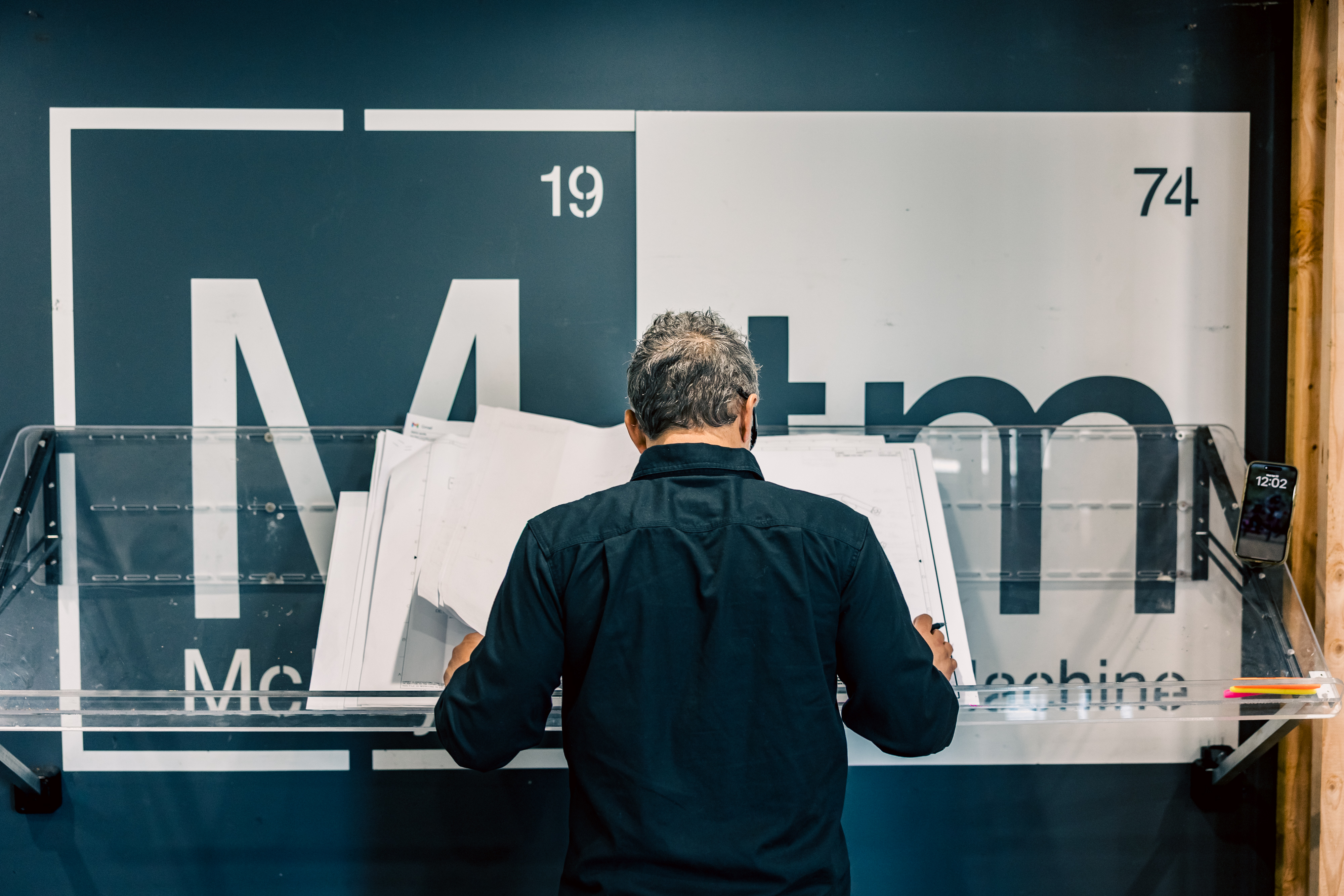
The bridge between a drawing and a finished part. Programming, reverse engineering, and manufacturability input from people who program the machines and run them — so the model matches what the floor can actually cut.
THE APPROACH
PROGRAMMED BY PEOPLE WHO RUN THE MACHINES
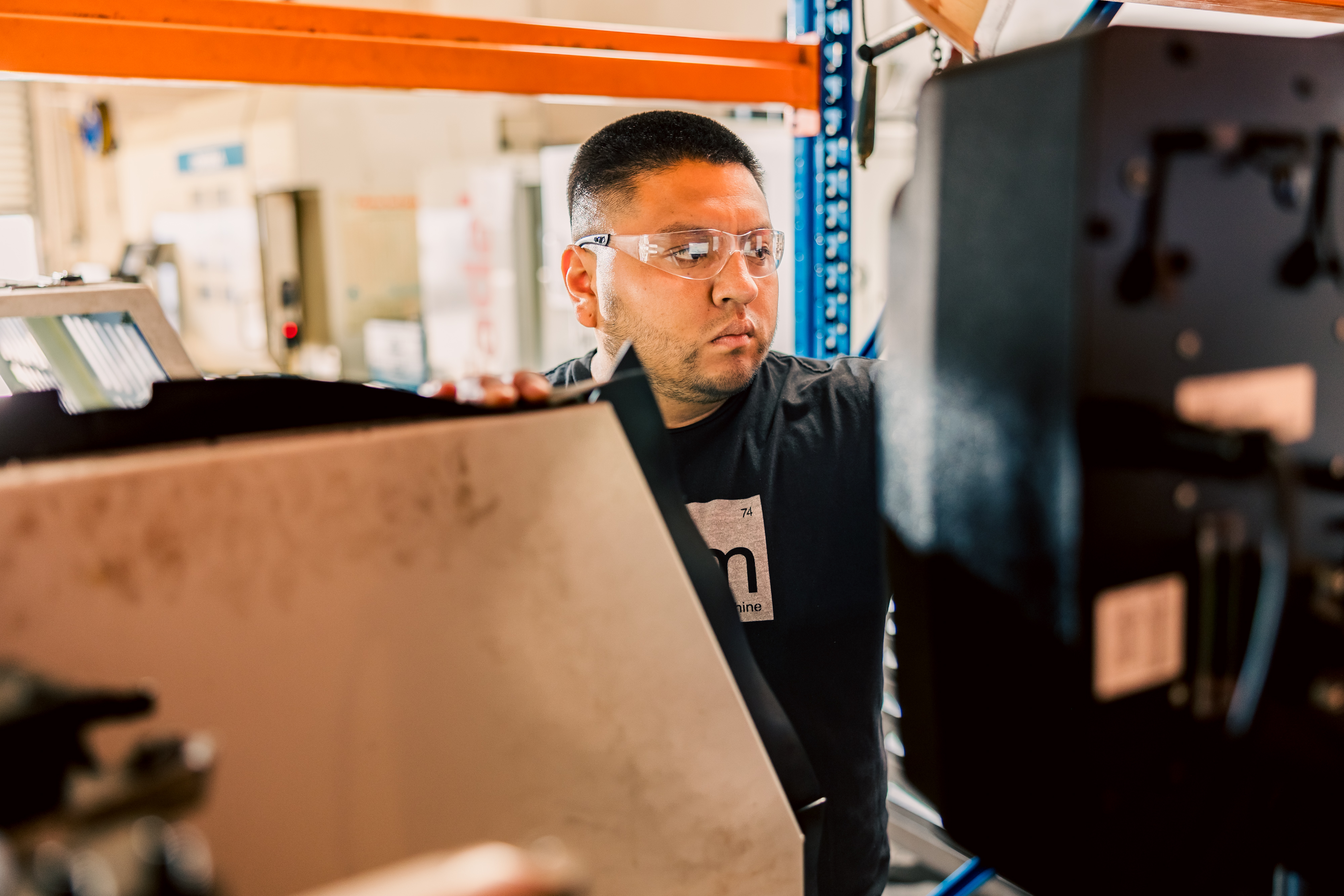
When the person writing the program also runs the floor, the program reflects reality — real fixturing, real tooling, real cycle time. We pair CAM programming with hands-on machining experience so the path from model to part is short and the surprises are few.
CAM programming tied to the machines that run the job
Reverse engineering from a physical part into a workable model
Manufacturability input before the design is locked
Conversational CNC for fast programming on one-offs
Integrated hybrid workflow — programmed CNC alongside manual expertise
THE BRIDGE
MODEL TO MACHINE
Three ways a design becomes a real part here.
CAM PROGRAMMING
TO CUT
MODEL → TOOLPATH
FOR
PAIRS WITH
Production & complex parts
Milling & turning
FOR
PAIRS WITH
Production & complex parts
Milling & turning
REVERSE ENGINEER
PART → MODEL
NO DRAWINGS NEEDED
FROM
PAIRS WITH
A physical part
Legacy & repair
FROM
PAIRS WITH
A physical part
Legacy & repair
CONVERSATIONAL
1-OFF
FAST PROGRAMMING
ON
PAIRS WITH
Prototrak platforms
Prototyping
ON
PAIRS WITH
Prototrak platforms
Prototyping
THE WORK
WHERE CAD & CAM FITS
Four places programming and modeling earn their keep.
01
CAM PROGRAMMING
We program complex, multi-feature parts for the CNC fleet — toolpaths built by people who know the fixtures and tooling those paths will actually run on.
02
REVERSE ENGINEERING
No model, no drawings, just a part. We measure it, build a model from it, and program it — turning a legacy component back into something you can make again.
03
MANUFACTURABILITY INPUT
Send the design before it's locked and we'll flag what fights the machine — the fillet that costs an hour, the tolerance that doesn't need to be there. Cheaper to fix on screen than on steel.
04
CONVERSATIONAL CNC
For one-offs and prototypes, conversational programming gets a part cut fast without a full production programming cycle.
WHY IT WORKS
THE PROGRAMMER IS ON THE FLOOR
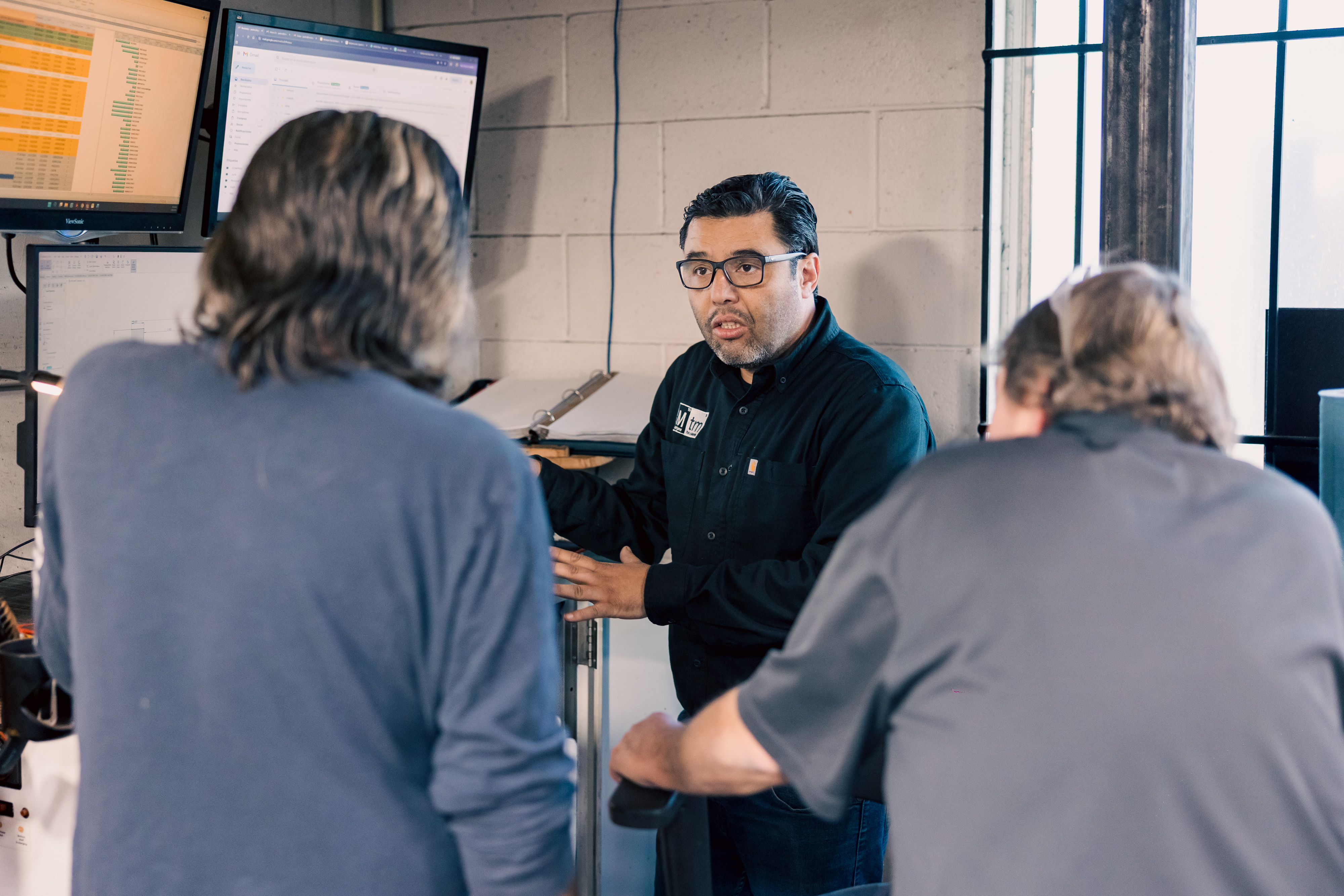
A program written in isolation looks perfect and machines badly. Ours are written by the same people setting up and running the jobs, so the toolpath already accounts for the fixture, the tooling, and the machine it's going on. Fewer revisions, fewer scrapped first articles.
Programming tied to real machines, fixtures, and tooling
Reverse engineering validated against the physical part
Owner-level review on critical first-article setups
Manual and CNC expertise integrated on the same floor
QUESTIONS
STRAIGHT ANSWERS
CAN YOU PROGRAM A PART FROM MY CAD MODEL?
Yes. Send your model and we'll program it for the fleet, with the toolpaths built around the fixtures and tooling the job will actually run on.
CAN YOU CREATE A MODEL FROM A PHYSICAL PART?
Yes — that's reverse engineering, and it's routine here. We measure the part, build a workable model, and program it so you can make it again.
WILL YOU TELL ME IF MY DESIGN IS HARD TO MACHINE?
Yes. Send it before it's locked and we'll flag what fights the machine — the features that add cost or risk without adding function. It's cheaper to change on screen than on steel.
DO I NEED A FINISHED PROGRAM TO GET A ONE-OFF MADE?
No. Conversational CNC lets us program one-offs and prototypes fast, without a full production programming cycle.
WHAT FILE FORMATS OR SOFTWARE DO YOU WORK WITH?
Send us what you have and we'll tell you what we can work with — we handle the common formats. If you're not sure what to send, a print or the part itself works too.
NEXT STEP
FROM MODEL TO FINISHED PART
Print, model, or the actual part — however you've got it, send it over. You'll get a straight answer on whether we can make it, what it takes, and how long it runs.